From HID to LED: Brighter, safer, lower-cost lighting for warehouses and parking
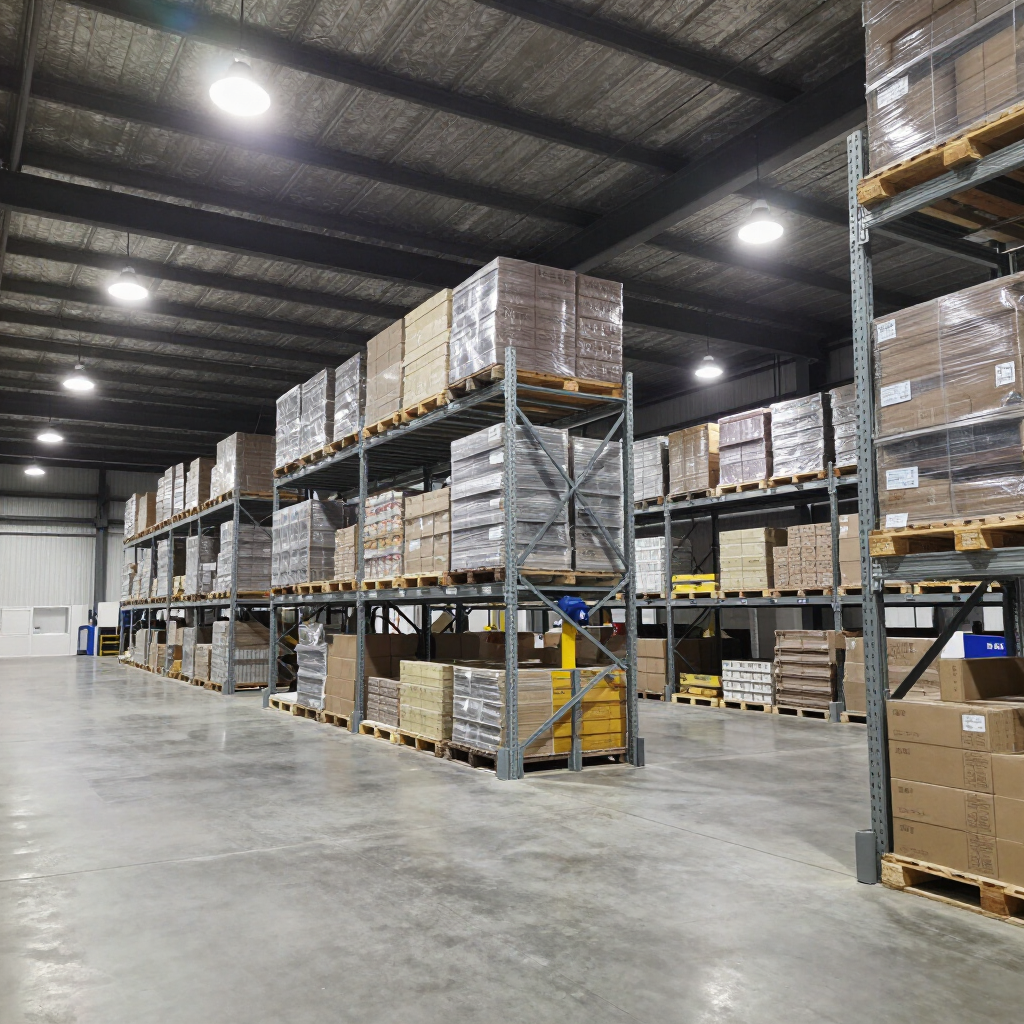
Late summer is the ideal window to plan Q4 lighting upgrades. If you are weighing a move from HID to LED across warehouses, canopies, or exterior lots, the questions are predictable and important. How much brighter and more efficient is LED in real terms? What color temperature is best for safety, comfort, and cameras? Should you retrofit existing housings or replace fixtures outright? And what payback can you realistically expect?
This guide answers those questions directly. It contrasts HID and LED performance, offers a quick selection path by application, explains CCT choices and camera impacts, and outlines retrofit kits versus full replacements with practical safety notes. A simple ROI sketch helps you build a business case with confidence.
HID vs. LED, performance where it matters
- Brightness and efficacy: Quality LEDs typically deliver 130 to 170 lumens per watt at the fixture level, while common HID systems land far below that once ballast losses and optical inefficiencies are counted. In practice, a 400 W metal halide shoebox that draws about 455 W with ballast is often matched or surpassed by a 150 to 200 W LED area light with better uniformity.
- Warm-up and restrike: HID needs warm-up time and suffers restrike delays after power blips. LED is instant-on at any temperature, which supports occupancy sensors, nighttime dimming, and scheduling without safety gaps.
- Color and stability: HID output and color can drift as lamps age. LED maintains output more consistently across its L70 life rating, which improves visibility and keeps camera exposure steadier.
- Maintenance: HID schedules include frequent lamp and ballast changes, plus bucket truck trips outside. LED’s long life and driver reliability reduce service calls and downtime.
- Ballasts: LED fixtures and LED retrofit kits use dedicated drivers. They do not require traditional HID ballasts. In most retrofits, the ballast is bypassed or removed and line voltage is routed to the new driver per manufacturer instructions.
Bottom line, LEDs are typically brighter per watt, more controllable, steadier in color, and far less maintenance intensive than comparable HID systems.
How to choose by application
Warehouses and production floors
- High-bay interiors at 25 feet and higher: Use high-bay LED fixtures with medium or aisle optics. Target uniformity first, not just peak lumens. Many facilities standardize on 4000K with CRI 80+ for clarity without glare.
- Low-bay zones, mezzanines, and staging: Linear strips or panels with diffusers improve comfort and vertical illumination on racks and work cells.
- Controls: Occupancy sensing in aisles plus high-end trim can cut significant runtime. Daylight harvesting near dock doors and skylights is a fast add.
Yards, lots, and high-mast areas
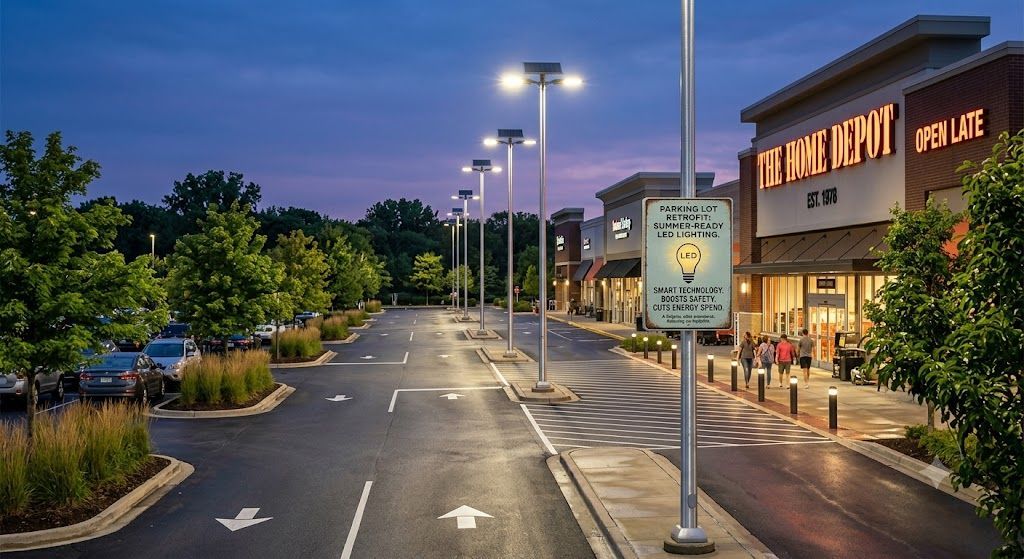
- Area lights with the right Type optics (III, IV, V) improve uniformity, which matters more for safety and cameras than isolated bright spots. Full-cutoff and low-glare lenses help drivers and CCTV.
- Motion dimming and late-night scheduling lower kWh without dark corners. Instant-on behavior keeps the site responsive.
Canopies, docks, and entrances
- Choose sealed, vapor-tight canopy fixtures, paying attention to glare control at entry points. Consistent CCT across storefronts and lots helps cameras maintain contrast.
Exterior floods and building facades
- Aim floods conservatively to avoid glare, veiling luminance for drivers, and washed-out camera frames. When in doubt, step to a better optic rather than tilting too high.
For local help with audits, DLC-listed product selection, and rebate guidance, see our DLC-listed HID-to-LED replacement resources for Aurora projects. If you need experienced commercial lighting contractors in Aurora for turnkey support, our team can coordinate design, supply, and commissioning.
CCT guidance, 5000K vs. 6000K and camera clarity
- Warehouses: 4000K is a common standard because it balances perceived brightness and comfort during long shifts. Where extra pop is needed for inspection or printing, 5000K with CRI 80+ or higher can help.
- Canopies and interiors near retail entrances: 4000K to 5000K maintains comfort and color fidelity without harshness.
- Parking lots and exteriors: 4000K or 5000K are both common. Many sites choose 4000K for a slightly warmer feel with good visibility. 5000K can improve perceived brightness and camera contrast in some scenes.
On legality outdoors, consult your local ordinances and any site-specific design standards. Extreme CCTs such as 6000K are generally not required for visibility and can introduce glare outdoors. Most commercial sites select 4000K to 5000K for a safe, compliant, and consistent look.
For cameras, uniform light and low glare usually matter more than raw CCT. Keep one CCT across the site, use optics that avoid lens flare, and maintain steady minimum light levels so auto-exposure does not hunt.
Retrofits vs. new fixtures, how to decide
Retrofit kits
- Best when the existing housing is structurally sound, gasketed, and thermally suitable.
- The HID ballast is typically bypassed or removed; the LED driver powers the new light engine.
- Add surge protection, verify grounding, and confirm voltage compatibility. Follow safe lockout-tagout and manufacturer wiring diagrams.
Full fixture replacements
- Recommended when housings are corroded, optics are outdated, gaskets have failed, or thermal performance is questionable.
- Usually offers higher efficacy, better glare control, and clean integration for sensors or networked controls.
- Eases code compliance and simplifies long-term maintenance.
Unsure which path fits your site poles, wall packs, or canopies? Illinois Lighting can evaluate housings, wiring, and controls readiness and help you select LED fixtures with the right optics and drivers. If you are planning a North Aurora LED retrofit installation or seeking an industrial lighting supplier in North Aurora, our team is ready to assist.
ROI and simple payback, what to expect
A typical exterior example
- Before: 400 W metal halide shoebox drawing about 455 W with ballast.
- After: 150 to 200 W LED area light delivering equal or better visibility.
- Energy savings at the fixture can reach 40 to 70 percent depending on optics and wattage selection.
Add controls
- Scheduling and motion dimming often trim another 20 to 40 percent of kWh where traffic is low overnight.
- Instant-on LED behavior makes these savings reliable without safety gaps.
Simple payback
- Many HID-to-LED projects land in the 1.5 to 4 year simple payback range, depending on hours, utility rates, fixture count, controls, rebates, and lift or bucket-truck avoidance. Maintenance savings are material because relamping and ballast service drop sharply for years.
For guidance on rebates and DLC-listed options that may improve ROI for Aurora facilities, review our Aurora HID-to-LED replacement overview. If you are coordinating controls as part of the upgrade, our team can also install lighting controls in North Aurora to help lock in savings with documented commissioning.
Quick FAQ
- Which is brighter and more efficient for commercial use, HID or LED? LED delivers higher lumens per watt at the system level, better uniformity, and steadier output over time, so it typically provides more usable light with lower energy.
- Do LED retrofits require HID ballasts? No. LED uses drivers, not HID ballasts. In retrofits, the ballast is bypassed or removed per the kit instructions.
- What CCT is best for warehouses, canopies, and lots? Warehouses commonly use 4000K for comfort and clarity. Canopies and interiors often use 4000K to 5000K. Exterior lots typically standardize on 4000K or 5000K for visibility and camera performance.
- When should we use retrofit kits vs. new fixtures? Use retrofit kits when housings are sound and thermally suitable. Choose new fixtures when housings are deteriorated, optics are poor, or you want the best efficacy, glare control, and integrated controls.
- What payback can we expect when moving from HID to LED? Many projects achieve simple payback in about 1.5 to 4 years, with energy and maintenance savings plus potential rebates. Actual results vary by hours, rates, and scope.
Next steps
If your Q4 plan includes safer aisles, cleaner camera footage, and lower operating costs, an HID-to-LED conversion is a practical win. Illinois Lighting provides audits, specification, supply, and commissioning for warehouses, canopies, and site lighting across North Aurora, Aurora, and the Fox Valley. Explore our Aurora LED lighting resources or contact our commercial lighting contractors in North Aurora to get a free estimate and a quick controls plan that fits your facility.