Industrial lighting solutions for safer, brighter warehouses before peak summer
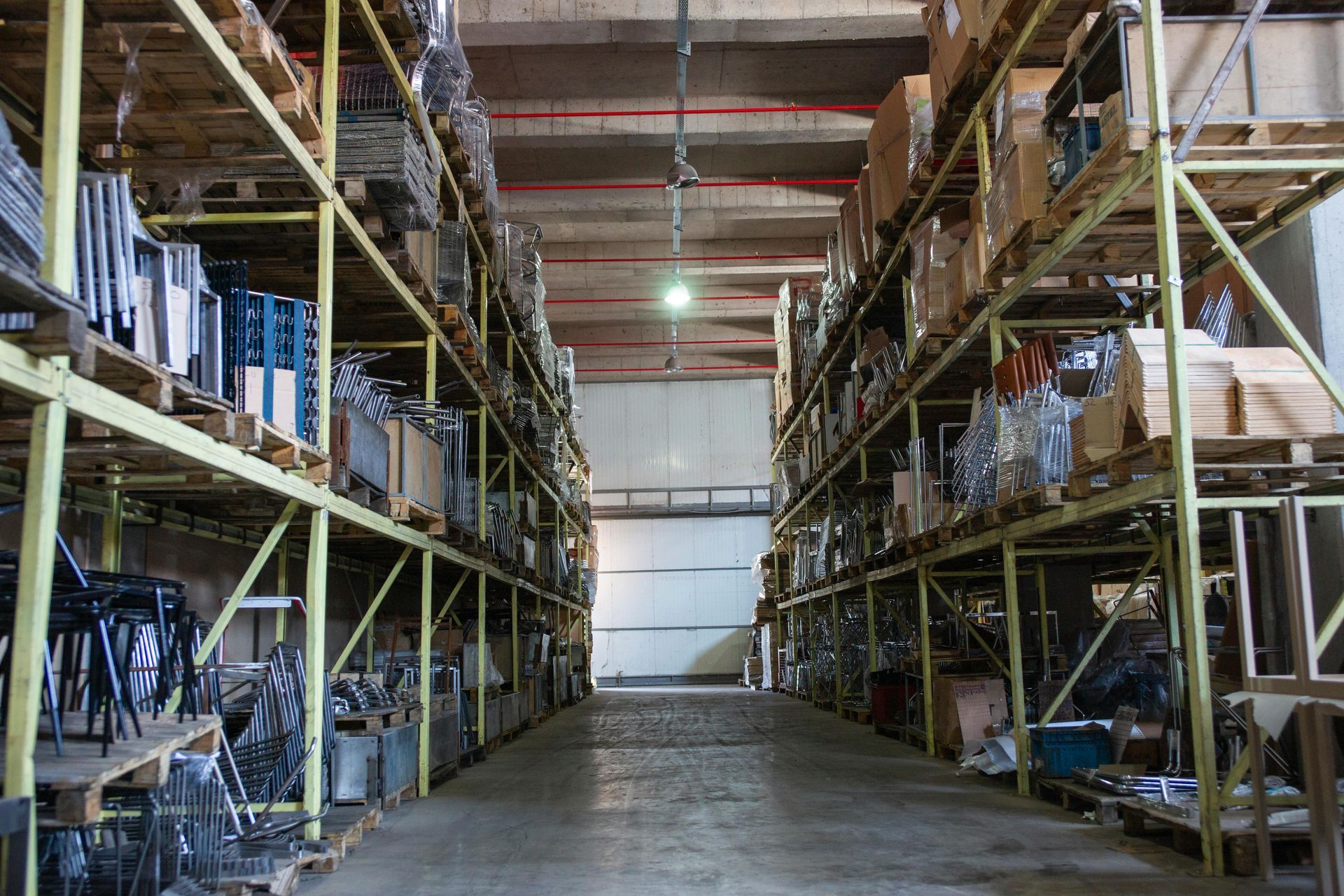
Long, hot summer days test every part of a warehouse. Heat raises fixture temperatures, dust builds faster, and production ramps push lighting to its limits. If visibility slips, so do safety and productivity. Now is the right window to tune your lighting design, upgrade to durable LED fixtures, and lock in a maintenance plan that carries you through peak season.
This guide walks plant managers and EHS leaders through practical choices that improve safety, reduce downtime, and support faster operations. We will cover fixture selection by height and layout, beam distributions for racking and lines, environmental ratings for heat and dust, steps to fight glare, and smart control strategies that prevent unplanned stops.
Illinois Lighting has supported commercial and industrial facilities since 1999 with lighting design, LED fixtures, safety lighting, and control integration. Our focus is simple, build a safer, brighter, more reliable system before the hottest workdays arrive.
Choose the right high-bay or low-bay by height and layout
Ceiling height and aisle geometry drive fixture type. Use this quick frame of reference to select and size correctly.
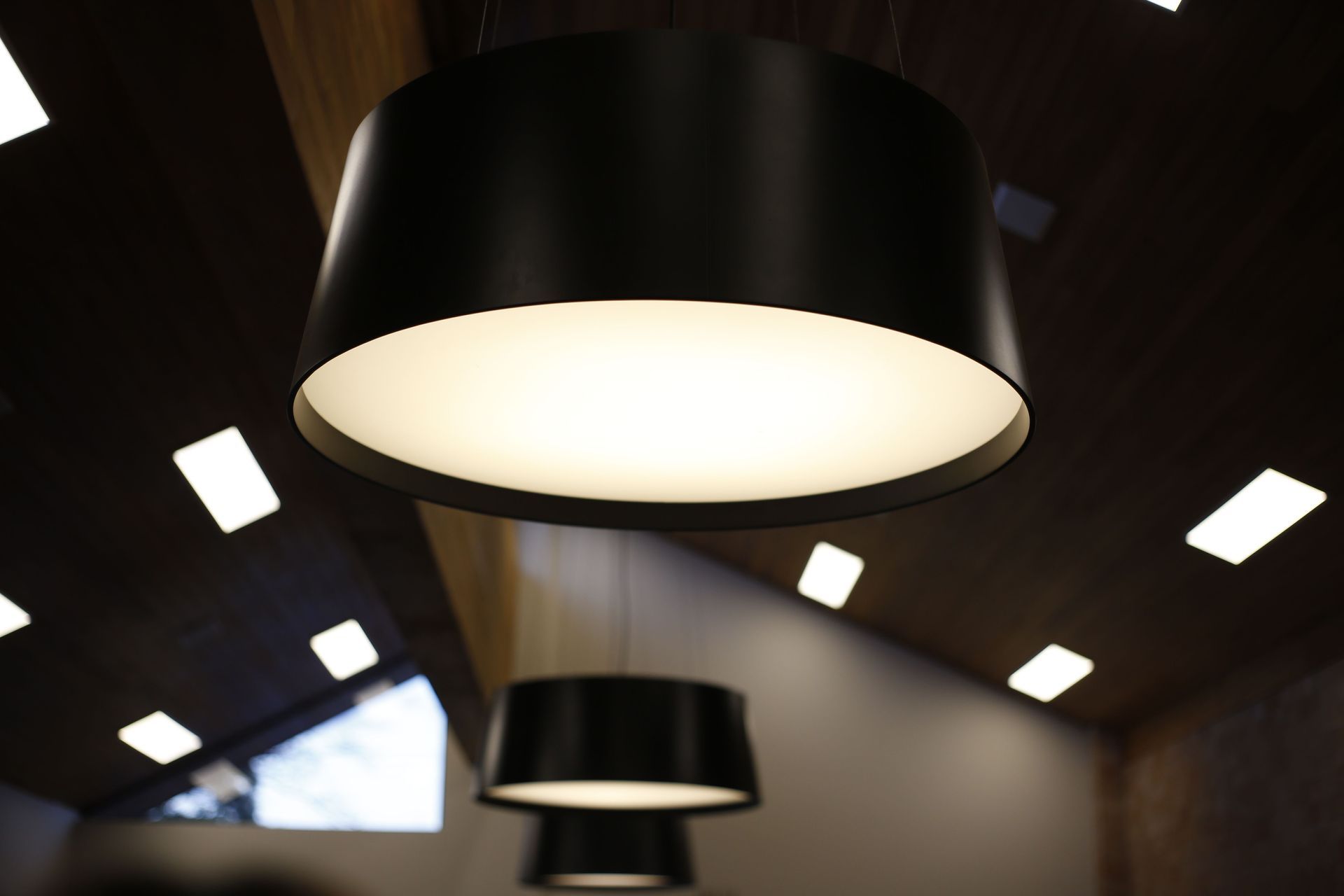
- 30 to 50 ft mounting heights: High-bay LED fixtures perform best here. Look for 20,000 to 40,000+ lumen packages, high-efficacy drivers, and optics matched to your floor plan. Round UFO-style high bays suit open areas and production zones. Linear high bays excel over racking because their rectangular output covers aisles efficiently.
- Under 30 ft: Low-bay LED fixtures are typically sufficient. They run lower lumen packages with wider distributions to avoid hot spots.
Aisle layout matters as much as height. For tall racking, choose aisle or narrow optics that throw light down the aisle with minimal spill onto the rack faces. For open manufacturing floors, wide or medium optics improve uniformity across work cells and walkways.
Color temperature and color rendering index (CRI) influence clarity. Most warehouses standardize on 4000K to balance brightness with comfort, and CRI 80+ for truer color on labels and parts inspection.
Beam distributions that solve racking and line work
Uniformity is the foundation of safe movement and accurate picking. Here is how to dial beams to your tasks.
- Racked aisles: Use linear high bays with aisle optics (narrow, symmetric). Space fixtures so light overlaps slightly at the target plane, not just on the floor. Tilt is rarely needed if the optic is correct.
- Cross aisles and staging: Medium distributions limit scalloping where forklifts merge and turn.
- Production lines: Choose medium to wide optics over each line, staged in staggered rows so workers do not shadow their own tasks. Add task lighting at inspection points for fine detail.
For camera performance and forklift-mounted sensors, prioritize consistent vertical illumination on rack faces and at intersections. LEDs with good glare control and steady light levels help CCTV maintain focus and automatic exposure, reducing washout and noise.
Manage heat, dust, and vibration with the right ratings
Summer adds thermal stress. Process dust and occasional washdowns compound it. Select fixtures built for the environment, then your fixture will keep its output and color stable across shifts.
- High temperature: Specify fixtures with elevated ambient ratings (often 40 to 65 C, verify the manufacturer’s ambient spec). Heat sinks should be robust with open fin designs. Drivers should be industrial grade and thermally protected.
- Dust and humidity: Vapor-tight or sealed fixtures with IP65 or higher keep out airborne dust and moisture. Look for gaskets that resist chemical exposure common in manufacturing.
- Vibration and impact: Choose fixtures with reinforced housings and lens materials like polycarbonate. Test data for vibration resistance and IK impact ratings are helpful indicators.
Food processing or hygiene-critical spaces may require NSF or similar compliance and smooth, cleanable surfaces. Explosion-proof is a distinct category for classified areas, which calls for specialized listings and must be engineered case by case.
Reduce glare and improve uniformity for safer movement
Glare creates eye strain, hides labels, and blinds camera sensors. Control it at the source and through layout.
- Use diffusers, prismatic lenses, or micro-optics that shield the LED emitters. UGR (unified glare rating) guidance helps, but in warehouses, choose optics proven for vertical illuminance without hard sparkle.
- Keep luminance balanced. Avoid oversized lumen packages spaced too far apart. It is often safer to use more fixtures at lower output for smoother coverage.
- Aim for consistent light on vertical surfaces, not only on floors. This helps forklift operators read rack locations and helps CCTV hold detail.
If you operate near dock doors or skylights, daylight harvesting can trim output when sun is available, which reduces eye adaptation swings and cuts energy at the same time.
Smart controls that cut downtime and energy
Modern controls do more than switch lights. They can serve as early warning systems that protect uptime.
- Occupancy sensing and task tuning: Set zones to dim to a safe standby level, then ramp when motion is detected. This lowers heat in idle areas and extends LED life.
- Scheduling with production data: Tie scenes to shift changes or maintenance windows so lights are bright where work happens and lower where it does not.
- Remote monitoring: Networked controls report driver temperature, runtime hours, failures, and offline nodes. Maintenance teams can plan replacements before a dark spot appears on the floor.
- Daylight harvesting: Sensors trim output to match available daylight, improving visual comfort and trimming costs.
If you plan to install or expand controls, Illinois Lighting can help you install lighting controls in North Aurora with commissioning support that fits your existing electrical infrastructure.
Preventive maintenance for industrial LEDs
LEDs reduce maintenance, but they are not set-and-forget. A simple plan preserves output and avoids surprises.
- Cleaning: Dust lenses and heat sinks quarterly in heavy-dust environments, semiannually in cleaner zones. A clean heat sink runs cooler and protects lifetime.
- Drivers and sensors: Log runtime hours and review alert data from smart controls. Replace drivers proactively near the end of their rated life to avoid sporadic outages.
- Optics and lenses: Inspect for yellowing, cracking, or impact damage. Replace damaged lenses to maintain photometry and limit glare.
- Firmware and controls: Keep control firmware updated, re-verify motion sensor aiming, and retest scenes after layout changes.
- Documentation: Keep a single-line diagram and fixture schedule that lists locations, model numbers, drivers, and network addresses. It turns a 90-minute fault hunt into a 10-minute swap.
For facilities planning summer upgrades, our team supports audits, LED fixture selection, and maintenance playbooks. If you need a local partner, you can work with commercial lighting contractors in Aurora for design and installation coordination.
OSHA light level considerations and designing to targets
While OSHA does not publish a warehouse footcandle table the way some industry guides do, employers are responsible for providing adequate illumination for safe work. In practice, many facilities reference Illuminating Engineering Society (IES) recommendations for task types and then validate results through measurements and worker feedback.
Illinois Lighting designs to target light levels with uniformity ratios appropriate to the task. For example, open warehouses often target 20 to 30 footcandles on the floor with good vertical illumination on racking, while detailed assembly or inspection zones may require higher task lighting. We model layouts, validate with photometric calculations, and adjust optics and spacing to deliver balanced, low-glare coverage that supports EHS goals and security camera clarity.
Quick FAQ
- What fixtures perform best for 30 to 50 ft mounting heights? High-bay LED fixtures, round or linear, with lumen packages in the 20,000 to 40,000+ range and optics matched to your layout. Linear aisle optics shine in racked aisles, while round high bays with medium distributions fit open zones.
- How do we improve aisle illumination and reduce glare? Use linear high bays with aisle optics, tighter spacing for uniformity, and lenses or micro-optics that shield emitters. Balance output across more fixtures rather than a few very bright points.
- Which fixtures handle heat, humidity, or dust? Select high-temperature-rated fixtures for hot ceilings, vapor-tight IP65 or higher for dusty or damp areas, and impact-resistant housings with polycarbonate lenses where vibration or strikes are likely.
- How can smart controls reduce downtime in industrial spaces? Networked controls provide occupancy-based dimming, daylight response, and health data on fixtures and drivers. Remote monitoring flags issues early so you can service before failures disrupt production.
- What does a maintenance plan for industrial LEDs include? Regular cleaning of lenses and heat sinks, driver life tracking and proactive replacements, sensor recalibration, firmware updates, and a current fixture schedule for quick troubleshooting.
Plan your summer-ready upgrade
Safer, brighter warehouses come from matching fixtures to height and layout, protecting against heat and dust, controlling glare, and using smart controls to keep everything running. If you want help selecting high bays, refining beam distributions, or commissioning controls, Illinois Lighting is ready to assist with design, supply, and maintenance support.
Facilities in the Fox Valley looking to move quickly can explore north Aurora LED lights and work with an industrial lighting supplier in North Aurora to source product and coordinate delivery. If your team is standardizing upgrades across Aurora, see our Aurora LED lighting contractors page for regional support and project coordination.
A safer summer starts with a lighting plan that puts people first. Let us help you get there. Call 630-844-5060 or email
info@illinoislighting.com to schedule a free consultation.